Oncology Research Solutions
Advance your cancer research with reliable tools for studying tumor biology, molecular mechanisms, biomarkers, and therapeutic targets. Our range of research products—including antibodies, recombinant proteins, ELISA kits, and molecular biology solutions—supports researchers across a wide range of oncology applications, from biomarker discovery and protein analysis to genomic and cellular research.
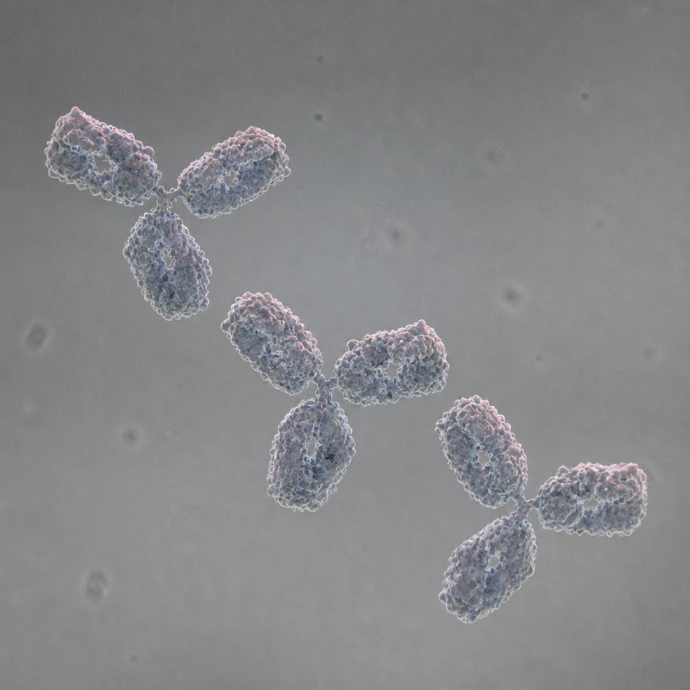
Protein Antibodies for Research and Diagnostics
Antibodies for protein detection, analysis, and diagnostic research
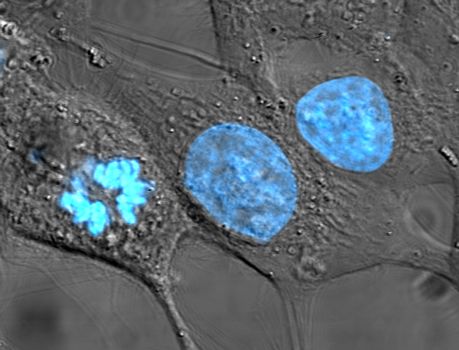
Other Studies
Guidelines for BRCA1/2 testing and hereditary cancer risk assessment.
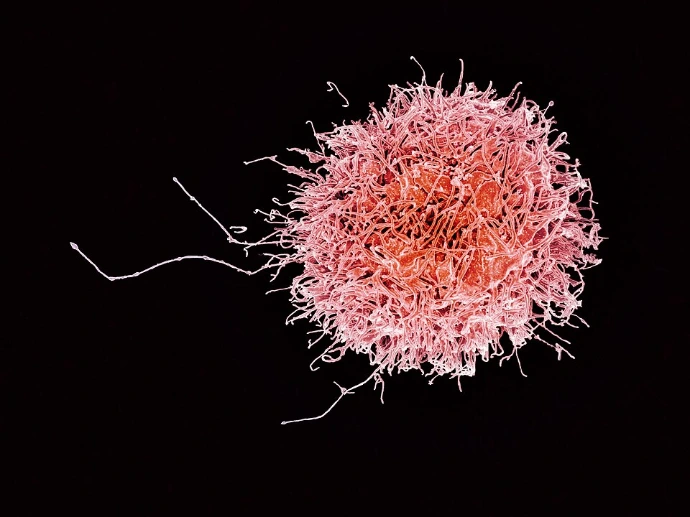
verview of NK cell-based immunotherapy and its clinical applications in cancer treatment.
Overview of emerging cancer biomarkers and their role in personalized cancer treatment.
Discover Other Products



Expand Your Knowledge
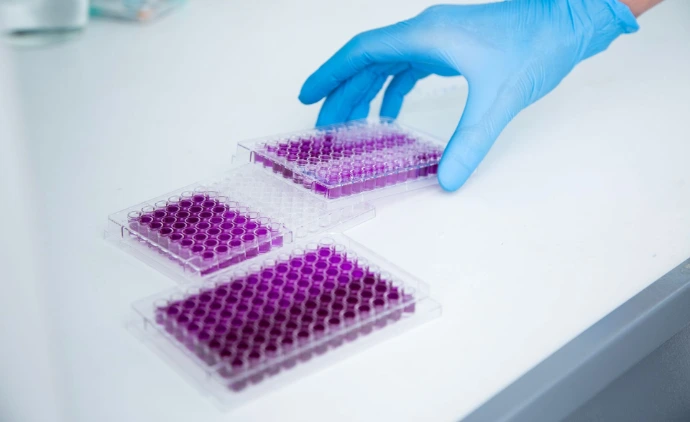
Explore our courses to deepen your understanding of cancer and discover more about related topics in biomedical and pharmaceutical research.
From Research Question to Discovery
Cancer research brings together molecular biology, cell biology, immunology, genomics, and biotechnology. By combining complementary research approaches, scientists can move from understanding fundamental cancer mechanisms to investigating biomarkers, therapeutic targets, and potential treatment strategies.
01 — Understand
Begin by exploring the biological mechanisms underlying cancer. Study tumor biology, cancer-associated proteins, cellular pathways, gene regulation, and molecular changes involved in tumor development and progression.
02 — Detect
Identify and characterize molecules and cellular markers associated with cancer. Antibodies, ELISA kits, recombinant proteins, and molecular research tools can support protein detection, biomarker analysis, and the investigation of cancer-related targets.
03 — Investigate
Examine how cancer cells interact with their surrounding environment and the immune system. Research immune responses, NK cells, lymphocytes, cellular interactions, signaling pathways, and genetic or genomic alterations to better understand tumor behavior.
04 — Validate
Evaluate and validate findings through complementary experimental approaches. Researchers can investigate potential biomarkers, confirm molecular targets, compare biological responses, and generate evidence that helps establish the relevance of specific mechanisms or targets in cancer research..
05 — Advance
Translate research findings into new scientific opportunities. Insights from molecular, cellular, genomic, and immunological studies can support further investigation into cancer diagnosis, biomarker development, drug discovery, therapeutic targets, and innovative approaches to cancer treatment.